

Quartzite vs quartz worktops is the comparison that catches more buyers out than any other in the kitchen surface world, because the names are nearly identical and the materials could hardly be more different. One is natural stone pulled from the ground. The other is manufactured in a factory. They behave differently, cost differently, and need looking after differently. Confusing them is how people end up with a surface that does not do what they expected. This guide clears it up properly, including a trap in the quartzite market that most articles never mention.
The confusion that costs people money
The single letter is doing a lot of work. Quartz is an engineered material, around 90 per cent ground natural quartz bound with resin. Quartzite is a natural metamorphic stone, formed when sandstone is subjected to heat and pressure over geological time. They share a mineral name and almost nothing else about how they live in your kitchen.
Buyers hear “quartzite” and assume it is just a fancier quartz with the same easy maintenance. It is not. Treating natural quartzite like engineered quartz is the root of most disappointment, because the maintenance and the strengths sit in opposite places.
What actually matters when you compare them
Natural versus engineered, and what that means daily
Quartz is consistent, predictable and non-porous. It never needs sealing, spills sit on the surface, and every slab matches the sample. Quartzite is natural, so every slab is unique, the patterns are dramatic, and it is porous, which means it needs sealing to resist stains. If you want a surface you can forget about, quartz asks less of you. If you want a genuine, one-off natural stone, quartzite rewards a little care.
Hardness and heat
This is where quartzite shines. It is genuinely hard, often harder than granite, and it is heat resistant in a way engineered quartz is not. You can set a hot pan on quartzite with far less worry, because there is no resin to scorch. Quartz, by contrast, can be permanently marked by direct heat. If heat tolerance is high on your list, quartzite has a real, physical advantage.
The looks
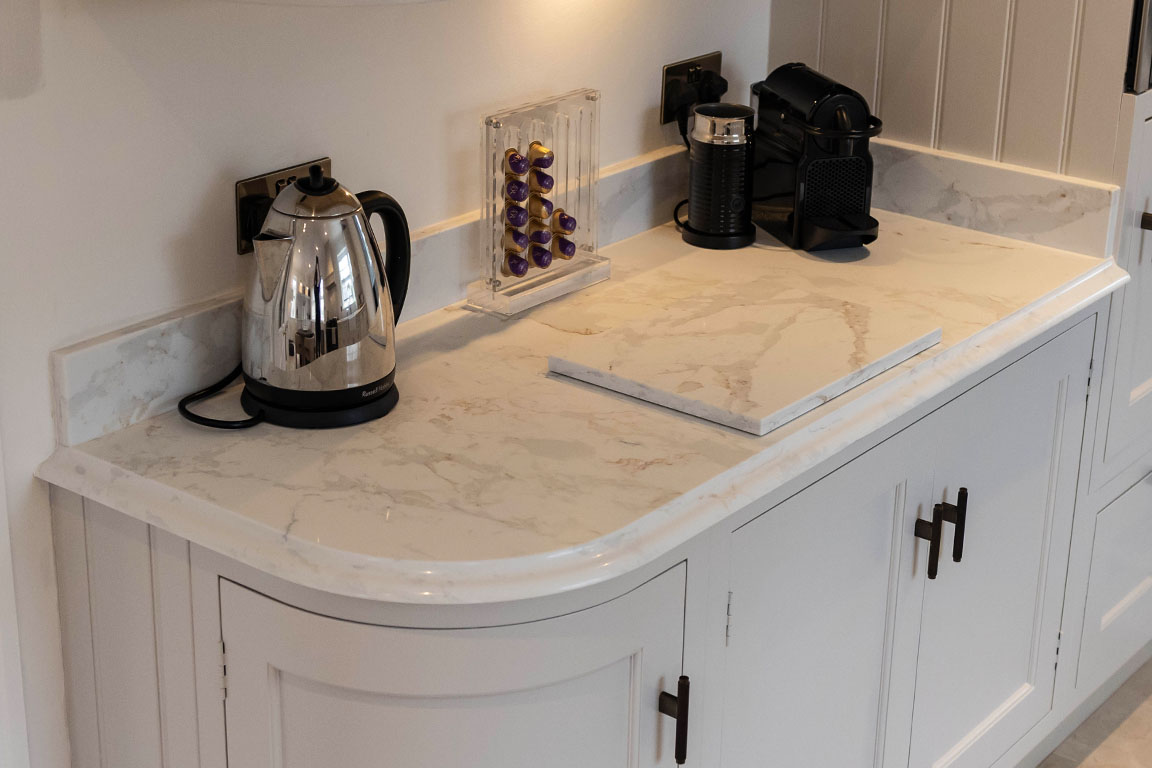
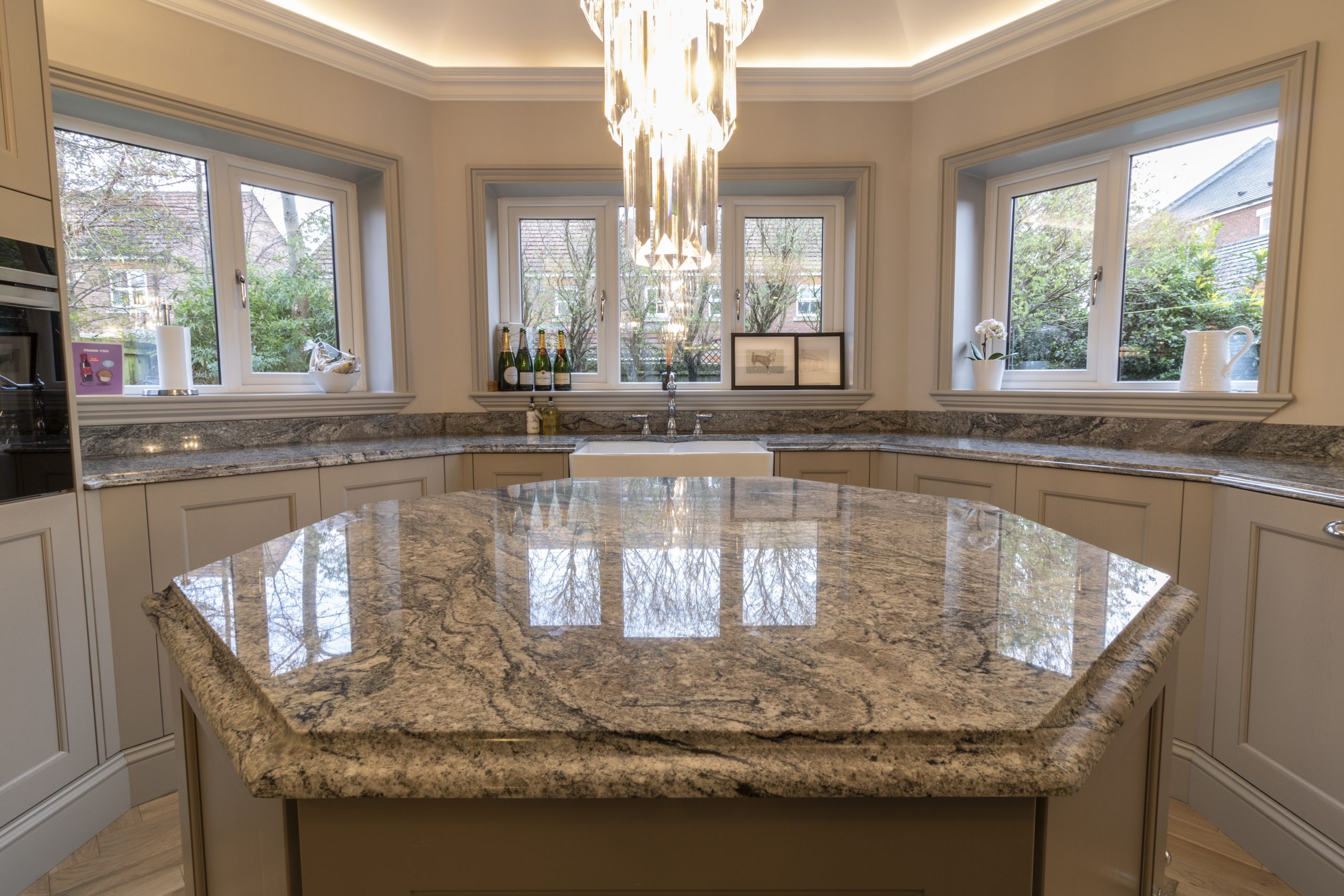
Quartzite is the material people reach for when they want the look of natural marble without marble’s softness. Stones like Taj Mahal and Mont Blanc give soft, flowing, marble-like movement with the durability of a much harder stone. Quartz can imitate that marble look convincingly and consistently, but it is an imitation. Quartzite is the real thing, with the variation and depth that comes with natural stone.
Maintenance honesty
Quartz wins on convenience. No sealing, low fuss, wipe and go. Quartzite needs periodic sealing and a little awareness, particularly with acidic spills on lighter stones. Neither is difficult, but they are different commitments, and choosing quartzite while expecting quartz-level indifference is a recipe for frustration.
The trap nobody warns you about
Here is the non-obvious point that matters most. Some stones sold as “quartzite” are not true quartzite at all. They are softer stones, often dolomitic marbles, mislabelled or loosely marketed under the quartzite banner because the name sells. True quartzite is extremely hard and resists etching from acids. A soft “quartzite” will etch and mark like marble when lemon juice or wine sits on it, which comes as a nasty shock to a buyer who paid for hard-wearing stone.
The defence is simple but rarely mentioned: ask your supplier to confirm the stone is true quartzite, and buy from a fabricator who knows the difference and will tell you honestly. A reputable supplier can identify whether a slab is genuine quartzite or a softer lookalike. A supplier who waves the question away is one to avoid.
A real scenario
A buyer falls for a pale, marble-like “quartzite” online, expecting granite-beating durability. It is in fact a soft dolomitic stone. Within months the area around the sink shows dull etch marks from everyday acidic splashes. Had the same buyer either confirmed a true quartzite or chosen a marble-look quartz, the surface would have stayed flawless. The lesson is not that quartzite is risky. It is that the label alone is not enough, and the supplier’s knowledge is part of what you are buying.
The insight buyers miss
Quartzite and quartz are not better or worse than each other, they are answers to different questions. Quartz answers “I want a beautiful surface I never have to think about.” Quartzite answers “I want a genuine natural stone, harder than granite, with marble looks, and I will seal it occasionally.” Decide which sentence is yours, and the choice is straightforward. The mistake is wanting quartzite’s looks and durability with quartz’s zero maintenance, then being surprised the universe did not provide it.
How Meridian Granite handles it
We are a family-run fabricator in Pudsey, Leeds, and we work with both engineered quartz and exotic natural stone including genuine quartzite, sourced through suppliers such as Antolini. Because we source and fabricate in house, we can confirm whether a slab is true quartzite, show you the full natural slab rather than a misleading chip, and advise honestly on the sealing and care a specific stone needs. That honesty about what you are actually buying is exactly the protection this comparison is about.
The bottom line
Quartzite vs quartz worktops comes down to natural versus engineered: quartzite is harder, more heat resistant and genuinely unique but porous and in need of sealing, while quartz is consistent, non-porous and effortless but vulnerable to heat and only an imitation of natural stone. Confirm any quartzite is the real thing, match the material to how much maintenance you will accept, and buy from a supplier who knows the difference. If you want to see true quartzite and quartz side by side, our showroom in Pudsey can show you both and tell you the truth about each.